Disease Prevention: Fungicides are used preventively to protect crops from fungal diseases
such as powdery mildew, rust, blight, and rot. They create a protective barrier on plant
surfaces or within plant tissues, preventing fungal spores from germinating or penetrating
plant tissues.
Curative Treatment: In addition to preventive use, fungicides are applied curatively to
control existing fungal infections. They inhibit fungal growth and development, reducing the
severity of disease symptoms and preventing further spread within the crop.
Seed Treatment: Fungicides are often used as seed treatments to protect seeds from fungal
pathogens during germination and early growth stages. Seed treatments ensure healthy
seedlings and establish a strong foundation for crop development.
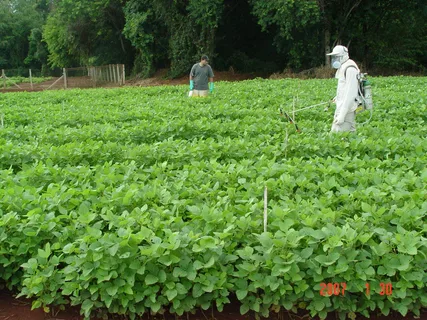
Foliar Application: Fungicides can be applied as sprays or drenches to foliage, stems, and
fruits to control fungal diseases that affect above-ground plant parts. Foliar application
targets pathogens that thrive in moist conditions and spread through air or water.
Soil Application: Some fungicides are applied to the soil or root zone to control soil-borne
fungal pathogens. Soil treatments protect plant roots from diseases such as root rot and
damping-off, promoting healthy root development and nutrient uptake.
Systemic Action: Many fungicides have systemic action, meaning they are absorbed by plants
and translocated within plant tissues. Systemic fungicides provide long-lasting protection
by moving throughout the plant, including new growth, where they inhibit fungal growth and
protect against disease.