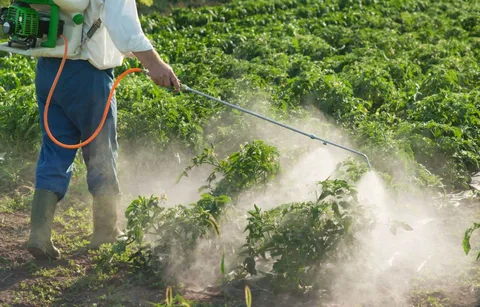
Pest Control: Insecticides are used to control a wide range of insect pests such as aphids,
beetles, caterpillars, and leafhoppers that can feed on crops and cause significant damage.
Disease Prevention: Some insecticides have properties that help prevent the spread of insect-borne
diseases in crops. For example, they can control vectors like mosquitoes that transmit diseases to
plants.
Increase Yield: By controlling pest populations, insecticides help to maintain healthy crop growth
and improve yield potential. They prevent or minimize damage to leaves, stems, and fruits, allowing
plants to grow and produce optimally.
Protecting Quality: Insecticides protect the quality of harvested crops by preventing infestations
during storage and transportation. They reduce post-harvest losses caused by insect pests.
Integrated Pest Management (IPM): Insecticides are often used as part of an integrated pest
management strategy that combines biological, cultural, and chemical control methods. They are
applied judiciously and in combination with other practices to minimize environmental impact and
maximize effectiveness.
Crop Rotation: Insecticides may be used in rotation with other pest control methods to prevent the
development of insect resistance. Rotating insecticides with different modes of action helps to
maintain their efficacy over time.